Scope and minimums, stated
Say what you build, where, and your project minimums, so the wrong requests screen themselves out.
General Contractor Marketing
General contractor marketing that separates additions, basements and whole-home renovations from the gutter repairs and price checks. We help you show what you build, state your scope and minimums up front, and move serious inquiries to a site visit without pulling you off the jobsite.
The audit and strategy are free. Build work starts only after you sign off on scope.

What GCs deal with
To a homeowner, “general contractor” can mean anyone from a handyman to a custom builder. So you get small repairs, three-bid shoppers and projects with no budget. Your marketing should make plain what you build and who it’s for.
What we do
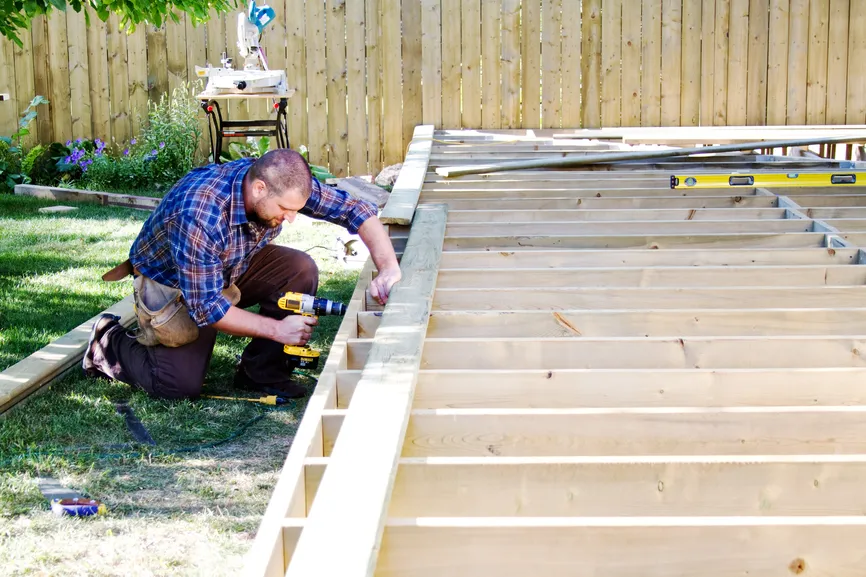
Construction company marketing often treats every job alike. We start from the projects you want, your minimums and your travel radius, and aim every page, ad and follow-up step at those jobs.
Say what you build, where, and your project minimums, so the wrong requests screen themselves out.
A page for each project type you take on, backed by a Google Business Profile and reviews that match.
Search ads for terms like “home addition contractor,” with handyman searches excluded, plus Meta ads showing finished builds.
Additions, basements, decks and whole-home jobs each get their own gallery, with the scope written out.
Intake questions about budget, timing and scope, then reminders on each open bid until it’s signed or lost.
Where inquiries came from, how many fit, which got a site visit and which bids you won.
We plan around the project types you want, how far you’ll travel and when crews free up. What we deliver, when, and what it costs is agreed before work starts.
Scope and minimums
“We do it all” sounds safe but costs you time. Homeowners can’t tell if you build additions or fix doors, so you hear about both. Clear pages for each project type, a plain note on your project minimums and a line about work you pass along let the right homeowners self-select and the rest move on.
We write the way you talk on a site visit: scope, allowances, selections, change orders, schedule. Licensing, insurance, permits, design services and the trades you sub out appear only once you confirm them. A homeowner should finish reading and know what hiring you looks like.
Screening bid requests
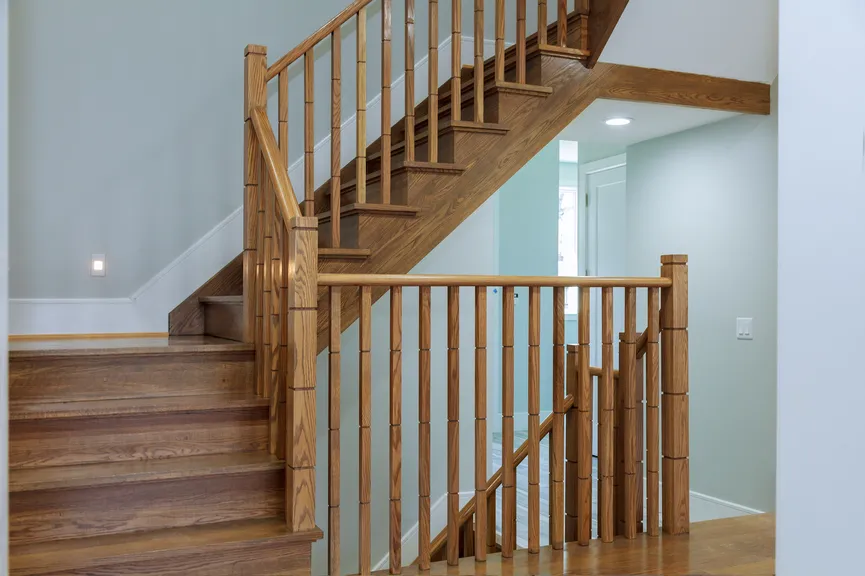
The form should ask what a good estimator asks on the phone: what’s the project, where is it, when do you want to start, and do you have plans or a budget range? That’s enough to choose a call, a site visit or a polite referral elsewhere, without asking for a spec sheet.
Then we put the handoff your office already uses in writing. Each inquiry gets an owner. Each site visit gets the notes from the form. Each open bid gets a next step and a reminder. Automated texts and emails confirm appointments and check in after the estimate, while you stay responsible for feasibility, scope and price.

Pipeline and crew schedule
If your crews are booked through the fall, more leads for next month won’t help. If a framing crew frees up in March, that’s when you want addition inquiries coming in. We adjust campaigns and content around the openings you tell us about, and pull back when you’re booked.
Referrals from past clients, architects and your own subs still matter, so we make sure anyone who hears your name can find you, see recent projects and read reviews that mention the job type. Reporting separates referral, search and ad inquiries, and shows which reached a site visit and a signed contract.
Inquiry to contract
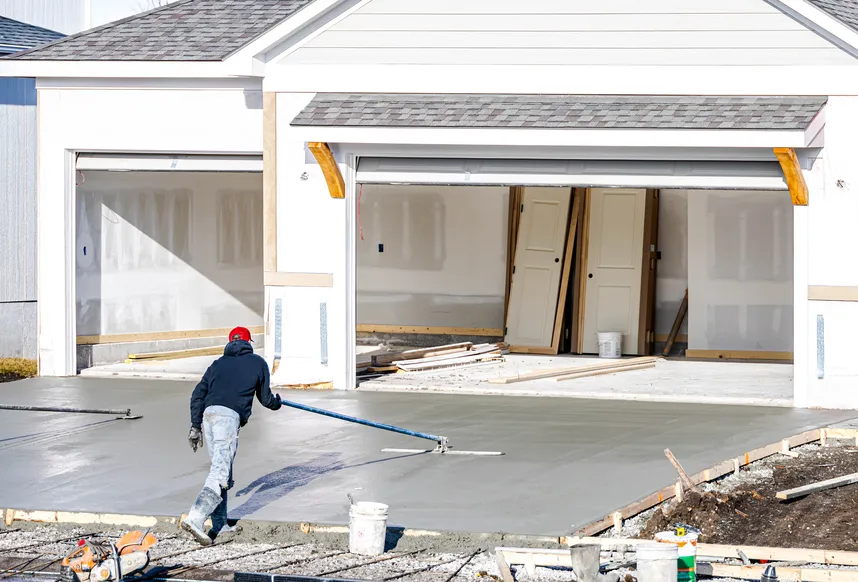
The homeowner finds a gallery or page that matches the project they’re planning.
The form asks about scope, location, timing and budget range.
You or your estimator meet on site with the form notes in hand.
Each open bid has an owner, a status and a follow-up date.
Tracking and monthly reports
Calls and forms are tracked to their source and followed through your pipeline: fit, site visit, bid, signed. Fewer inquiries and more signed work can still be a good month.
A bid request isn’t a contract. We report pipeline and revenue only as far as your team records outcomes, and we point out gaps instead of guessing around them.
Our process
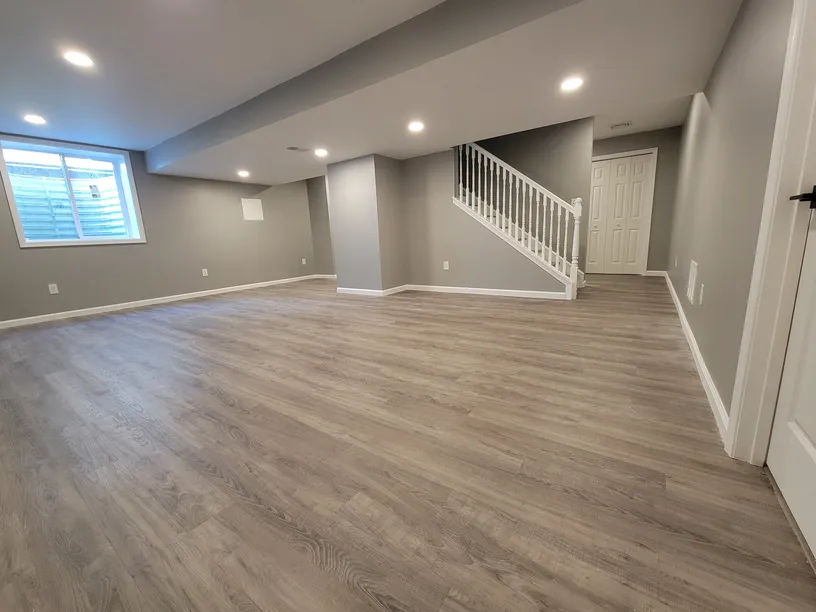
Tell us your best-margin project types, your travel radius and where bids tend to stall. We audit the current setup and walk you through a strategy, and you decide what, if anything, we build.
We look at your service pages, project galleries, Google Business Profile, rankings, any ad accounts and how bid requests are screened and followed up. We also ask about minimums, travel radius and crew schedule.
You see what we’d fix first, what can wait, and where search, ads and follow-up each fit your project types. Pick it apart before you agree to anything.
Once you approve scope, timing and fees, we build the project pages, campaigns and screening questions, then test the path from first click to your estimator’s calendar.
After launch, calls and forms are tracked and reported monthly. Your notes on which leads were worth the trip shape the next round of targeting and form changes.
Questions GCs ask
The questions that come up when we talk about marketing for general contractors: lead quality, minimums, project types and keeping work lined up between jobs.
Yes, by getting specific about what you build and asking better questions early: pages by project type, ads that skip repair searches, and a form that asks budget and timing. Some poor fits will still get through.
Usually, if you have a firm number. Stating it saves both sides a wasted call. If you’d rather not publish it, the form can ask for a budget range instead.
Yes. General contractor SEO works best with a separate page for additions, basements, decks and other project types, each with its own photos.
Yes, if you want it, but it’s a different buyer. Property managers and owners decide differently from homeowners, so commercial gets separate pages and ads.
Keep some marketing running year-round and adjust it to your schedule. SEO and referrals build slowly; ads can be turned up when a crew frees up and down when you’re booked.
We walk you through the strategy. If you want us to carry it out, services, access and fees are agreed first, and you can start with one piece, like project pages.
Where to go next
SEO, a better website and a real lead system work alone or together. The audit shows where to start.
Free audit for GCs
We’ll go through your project pages, search presence, ads and how bid requests get screened and followed up, then show you where better-fit projects are slipping away.
Book a CallSend your website, your travel radius and the projects you want more of.
Thank you. Your request has been sent, and we’ll be in touch to find a time to talk.
Something went wrong while sending your request. Please try again, or email info@echvo.com.